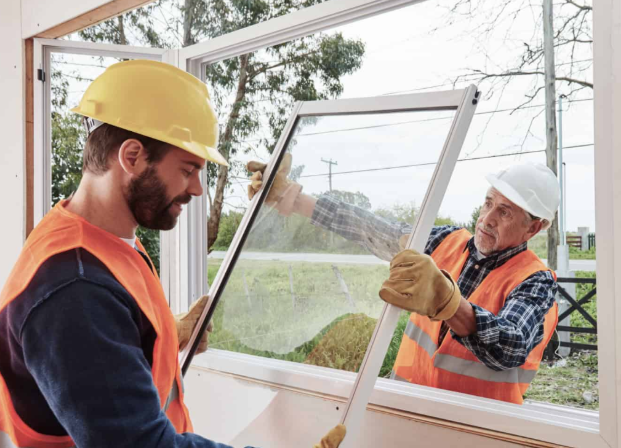
Replacing windows in your home is a significant investment that can enhance both the aesthetics and functionality of your living space. Whether you’re renovating or upgrading your home, choosing the right replacement windows is crucial for comfort, energy efficiency, and style. This guide will walk you through the key factors to consider when selecting the ideal windows for your home.
1. Understand the Types of Windows
Before diving into material choices and styles, it’s important to understand the different types of windows available for replacement. The main types include:
- Single-Hung Windows: The bottom sash slides up and down, while the top sash remains stationary. These are ideal for homes with limited space for opening windows.
- Double-Hung Windows: Both the top and bottom sashes are operable, allowing for more ventilation and easier cleaning.
- Casement Windows: These windows are hinged at the side and open outward like a door, providing maximum ventilation and unobstructed views.
- Sliding Windows: One sash moves horizontally to open and close. This is a great option for wider window openings.
- Bay and Bow Windows: These larger windows create additional space in a room and provide panoramic views.
Each window type serves different functions and aesthetic preferences. Consider your space, ventilation needs, and style when selecting the best option.
2. Consider the Material of the Frames
The material of your window frames plays a major role in the window’s durability, energy efficiency, and maintenance. Here are some popular materials:
- Vinyl Windows: Known for being low maintenance and energy-efficient, vinyl frames are a popular choice. They don’t require painting and resist moisture and decay, making them ideal for areas with high humidity.
- Wood Windows: Wood frames provide a classic, timeless look and offer great insulation. However, they require regular maintenance, including painting or staining, to prevent rot and wear.
- Fiberglass Windows: These windows are highly durable, energy-efficient, and resistant to the elements. They offer the aesthetic of wood but with lower maintenance.
- Aluminum Windows: Lightweight and durable, aluminum frames are often used in modern homes. While they are low maintenance, they tend to have lower insulation properties compared to other materials.
3. Energy Efficiency Considerations
Energy efficiency is one of the most important factors to consider when selecting replacement windows. New windows with advanced energy-efficient features can significantly reduce your utility bills. Look for windows with the following features:
- Low-E Glass: Low-emissivity (Low-E) glass coatings reduce heat transfer, helping to keep your home cool in the summer and warm in the winter. This improves overall energy efficiency.
- Gas Fills: Many replacement windows feature a gas, such as argon or krypton, sealed between two panes of glass. These gases act as insulators to prevent heat loss and enhance energy performance.
- Energy Star Certification: Windows with an Energy Star label meet the guidelines set by the U.S. Environmental Protection Agency for energy efficiency. This certification ensures that your windows contribute to a more sustainable home.
4. Choose the Right Style for Your Home’s Aesthetic
The style of your windows can drastically impact the overall look of your home. Consider your home’s architecture and aesthetic when choosing a window style. For instance:
- Traditional Homes: Double-hung or casement windows with wood frames may complement the classic look of traditional homes.
- Contemporary Homes: Large, picture windows or sleek sliding windows with minimal frames may suit modern home designs.
- Victorian or Colonial Homes: Bay or bow windows can add character and charm to these historic architectural styles.
The right window style will enhance your home’s curb appeal while ensuring that the windows function efficiently and meet your needs.
5. Proper Installation is Key
Even the best replacement windows will not perform well if they are not installed properly. It’s essential to hire a professional installer who is experienced in window replacement. A proper installation ensures that your windows are sealed correctly, preventing drafts, water leaks, and other potential issues. Additionally, a well-installed window will maximize the energy efficiency of your home and provide long-lasting durability.
Conclusion
Choosing the right replacement windows is a crucial decision that affects your home’s comfort, energy efficiency, and appearance. By considering window types, materials, energy efficiency, style, and professional installation, you can make an informed decision that will enhance your home for years to come. When in doubt, consult with a window expert to guide you in selecting the best windows tailored to your specific needs and budget.